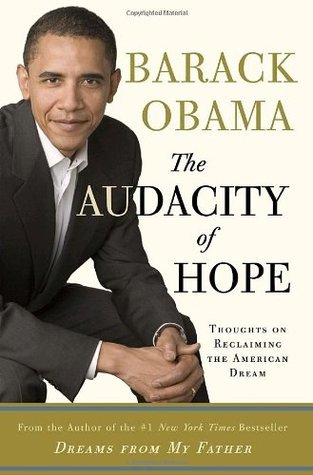
The Audacity of Hope is Barack Obama’s call for a new kind of politics—a politics that builds upon those shared understandings that pull us together as Americans. Lucid in his vision of America’s place in the world, refreshingly candid about his family life and his time in the Senate, Obama here sets out his political convictions and inspires us to trust in the dogged optimism that has long defined us and that is our best hope going forward.
Books similar to The Audacity of Hope: Thoughts on Reclaiming the American Dream
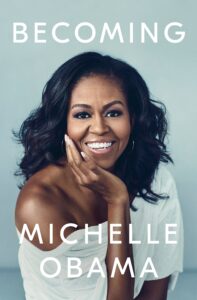
In a life filled with meaning and accomplishment, Michelle Obama has emerged as one of the most iconic and compelling women of our era. As First Lady of the United States of America—the first African American to serve in that role—she helped create the most welcoming and inclusive White House in history, while also establishing herself as a powerful advocate for women and girls in the U.S. and around the world, dramatically changing the ways that families pursue healthier and more active lives, and standing with her husband as he led America through some of its most harrowing moments. Along the way, she showed us a few dance moves, crushed Carpool Karaoke, and raised two down-to-earth daughters under an unforgiving media glare.
In her memoir, a work of deep reflection and mesmerizing storytelling, Michelle Obama invites readers into her world, chronicling the experiences that have shaped her—from her childhood on the South Side of Chicago to her years as an executive balancing the demands of motherhood and work, to her time spent at the world’s most famous address. With unerring honesty and lively wit, she describes her triumphs and her disappointments, both public and private, telling her full story as she has lived it—in her own words and on her own terms. Warm, wise, and revelatory, Becoming is the deeply personal reckoning of a woman of soul and substance who has steadily defied expectations—and whose story inspires us to do the same.
Through a life of passion and struggle, Malcolm X became one of the most influential figures of the 20th Century. In this riveting account, he tells of his journey from a prison cell to Mecca, describing his transition from hoodlum to Muslim minister. Here, the man who called himself "the angriest Black man in America" relates how his conversion to true Islam helped him confront his rage and recognize the brotherhood of all mankind.
An established classic of modern America, "The Autobiography of Malcolm X" was hailed by the New York Times as "Extraordinary. A brilliant, painful, important book." Still extraordinary, still important, this electrifying story has transformed Malcolm X's life into his legacy. The strength of his words, and the power of his ideas continue to resonate more than a generation after they first appeared.
Nelson Mandela is one of the great moral and political leaders of our time: an international hero whose lifelong dedication to the fight against racial oppression in South Africa won him the Nobel Peace Prize and the presidency of his country.
Since his triumphant release in 1990 from more than a quarter-century of imprisonment, Mandela has been at the center of the most compelling and inspiring political drama in the world. As president of the African National Congress and head of South Africa's anti-apartheid movement, he was instrumental in moving the nation toward multiracial government and majority rule. He is revered everywhere as a vital force in the fight for human rights and racial equality.
The foster son of a Thembu chief, Mandela was raised in the traditional, tribal culture of his ancestors, but at an early age learned the modern, inescapable reality of what came to be called apartheid, one of the most powerful and effective systems of oppression ever conceived. In classically elegant and engrossing prose, he tells of his early years as an impoverished student and law clerk in a Jewish firm in Johannesburg, of his slow political awakening, and of his pivotal role in the rebirth of a stagnant ANC and the formation of its Youth League in the 1950s.
He describes the struggle to reconcile his political activity with his devotion to his family, the anguished breakup of his first marriage, and the painful separations from his children. He brings vividly to life the escalating political warfare in the fifties between the ANC and the government, culminating in his dramatic escapades as an underground leader and the notorious Rivonia Trial of 1964, at which he was sentenced to life imprisonment. Herecounts the surprisingly eventful twenty-seven years in prison and the complex, delicate negotiations that led both to his freedom and to the beginning of the end of apartheid. Finally he provides the ultimate inside account.
«Մոտոցիկլավարի օրագիրը». 1948 թ. Չե Գևարան ընդունվում է Բուենոս Այրեսի համալսարանի ընդհանուր բժշկության ֆակուլտետ։ Նրա՝ աշխարհն ուսումնասիրելու տենչը, փոփոխեց նրա համալսարանական կյանքը, և իր երկու երկարատև ուղևորությունները հիմնովին փոխեցին նրա ներաշխարհն ու պատկերացումները այդ ժամանակների Լատինական Ամերիկայի տնտեսական իրավիճակի վերաբերյալ։ Առաջին արշավը 1950 թ. էր, 4500 կմ (2800 մղոն), նա մենակ ուղևորվում է դեպի հյուսիսային Արգենտինայի գյուղական շրջաններ հեծանիվով, որի վրա փոքրիկ շարժիչ էր տեղադրել։ Սրան հաջորդում է 1951 թ. 8000 կմ երկարությամբ (5000 մղոն) իննամսյա մայրցամաքային արշավը մոտոցիկլով դեպի Հարավային Ամերիկա։ Վերջին ուղևորության պատճառով նա մեկ տարի չհաճախեց դասերի, փոխարենը ձեռնարկեց այս արշավը իր ընկերոջ՝ Ալբերտո Գրանադայի հետ։ Նրանց հիմնական նպատակը Պերուի Սան Պաբլոյի բորոտների գաղութում, Ամազոն գետի ափին մի քանի շաբաթ որպես կամավորներ մնալն էր։
Չիլիում Գևարային բարկացնում է հանքահորների աշխատանքային պայմանները Անակոնդայի Չուքիկամատա պղնձի հանքում, և նա գիշերում է Ատակամա անապատում հալածված կոմունիստ ամուսինների հետ, ովքեր անգամ վերմակ չունեին և իրենց ներկայացնում էին որպես կապիտալիստական շահագործման իրական զոհեր։ Բացի այդ, Մաչու Պիկչուի ճանապարհին՝ Անդերի բարձունքում, նա բախվում է հեռավոր գյուղական բնակավայրերի ծայրահեղ աղքատությանը, որտեղ գյուղացի ագարակատերերը աշխատում էին մեծահարուստներին պատկանող փոքր հողատարածքների վրա։ Ավելի ուշ իր ուղևորության ընթացքում Գևարան տպավորված էր այդ բորոտների գաղութում ապրող մարդկանց ընկերասիրության վրա։ Նա ասում է. «Մարդկային համերաշխության և ընկերասիրության բարձրագույն արժեքները առկա են այսպիսի միայնակ և հուսահատ մարդկանց մեջ»Գևարան իր այս ուղևորության ընթացքում կատարած նշումները հետագայում օգտագործում է իր զեկույցի համար վերնագրված ՝ «Մոտոցիկլային օրագրեր» գրքում, որը հետագայում դարձավ «New York Times»-ի ամենավաճառված գիրքը։ 2004 թվականին մրցանակ ստացավ նաև գրքի հիման վրա նկարահանված համանուն վերնագրով ֆիլմը։
Ուղևորությունը դեպի Արգենտինա, Չիլի, Պերու, Էկվադոր, Պանամա, Մայամի, Ֆլորիդա Գևարայից խլեց 20 օր, նախքան Բուենոս Այրես վերադառնալը։ Լատինական Ամերիկան առանձին ազգերի միություն չէր, այլ մի ամբողջատիրություն, որը մայրցամաքային ազատագրման քաղաքականություն էր վարում։ Նրա գաղափարը միացյալ, անծայրածիր Իսպանական Ամերիկայի ստեղծումն էր, որը կիսում էր ընդհանուր լատինական ժառանգությունը, մի թեմա, որին նա ժամանակ առ ժամանակ անդրադառնում է իր հետագա հեղափոխական գործունեության ընթացքում։ Վերադառնալով Արգենտինա՝ նա ավարտում է ուսումը և 1953 թ. պաշտոնապես ստանում բժշկի կոչում՝ «Բժիշկ Չե Գևարա»
Tara Westover was 17 the first time she set foot in a classroom. Born to survivalists in the mountains of Idaho, she prepared for the end of the world by stockpiling home-canned peaches and sleeping with her "head-for-the-hills bag". In the summer she stewed herbs for her mother, a midwife and healer, and in the winter she salvaged in her father's junkyard.
Her father forbade hospitals, so Tara never saw a doctor or nurse. Gashes and concussions, even burns from explosions, were all treated at home with herbalism. The family was so isolated from mainstream society that there was no one to ensure the children received an education and no one to intervene when one of Tara's older brothers became violent.
Then, lacking any formal education, Tara began to educate herself. She taught herself enough mathematics and grammar to be admitted to Brigham Young University, where she studied history, learning for the first time about important world events like the Holocaust and the civil rights movement. Her quest for knowledge transformed her, taking her over oceans and across continents, to Harvard and to Cambridge. Only then would she wonder if she'd traveled too far, if there was still a way home.
Educated is an account of the struggle for self-invention. It is a tale of fierce family loyalty and of the grief that comes with severing the closest of ties. With the acute insight that distinguishes all great writers, Westover has crafted a universal coming-of-age story that gets to the heart of what an education is and what it offers: the perspective to see one's life through new eyes and the will to change it.
When Jon Krakauer reached the summit of Mt. Everest in the early afternoon of May 10, 1996, he hadn't slept in fifty-seven hours and was reeling from the brain-altering effects of oxygen depletion. As he turned to begin his long, dangerous descent from 29,028 feet, twenty other climbers were still pushing doggedly toward the top. No one had noticed that the sky had begun to fill with clouds. Six hours later and 3,000 feet lower, in 70-knot winds and blinding snow, Krakauer collapsed in his tent, freezing, hallucinating from exhaustion and hypoxia, but safe. The following morning, he learned that six of his fellow climbers hadn't made it back to their camp and were desperately struggling for their lives. When the storm finally passed, five of them would be dead, and the sixth so horribly frostbitten that his right hand would have to be amputated.
Into Thin Air is the definitive account of the deadliest season in the history of Everest by the acclaimed journalist and author of the bestseller Into the Wild. On assignment for Outside Magazine to report on the growing commercialization of the mountain, Krakauer, an accomplished climber, went to the Himalayas as a client of Rob Hall, the most respected high-altitude guide in the world. A rangy, thirty-five-year-old New Zealander, Hall had summited Everest four times between 1990 and 1995 and had led thirty-nine climbers to the top. Ascending the mountain in close proximity to Hall's team was a guided expedition led by Scott Fischer, a forty-year-old American with legendary strength and drive who had climbed the peak without supplemental oxygen in 1994. But neither Hall nor Fischer survived the rogue storm that struck in May 1996.
Krakauer examines what it is about Everest that has compelled so many people -- including himself -- to throw caution to the wind, ignore the concerns of loved ones, and willingly subject themselves to such risk, hardship, and expense. Written with emotional clarity and supported by his unimpeachable reporting, Krakauer's eyewitness account of what happened on the roof of the world is a singular achievement.
The Glass Castle is a remarkable memoir of resilience and redemption, and a revelatory look into a family at once deeply dysfunctional and uniquely vibrant. When sober, Jeannette's brilliant and charismatic father captured his children's imagination, teaching them physics, geology, and how to embrace life fearlessly. But when he drank, he was dishonest and destructive. Her mother was a free spirit who abhorred the idea of domesticity and didn't want the responsibility of raising a family.
The Walls children learned to take care of themselves. They fed, clothed, and protected one another, and eventually found their way to New York. Their parents followed them, choosing to be homeless even as their children prospered.
The Glass Castle is truly astonishing--a memoir permeated by the intense love of a peculiar but loyal family.
A heartbreaking and hilarious memoir by iCarly and Sam & Cat star Jennette McCurdy about her struggles as a former child actor—including eating disorders, addiction, and a complicated relationship with her overbearing mother—and how she retook control of her life.
Jennette McCurdy was six years old when she had her first acting audition. Her mother’s dream was for her only daughter to become a star, and Jennette would do anything to make her mother happy. So she went along with what Mom called “calorie restriction,” eating little and weighing herself five times a day. She endured extensive at-home makeovers while Mom chided, “Your eyelashes are invisible, okay? You think Dakota Fanning doesn’t tint hers?” She was even showered by Mom until age sixteen while sharing her diaries, email, and all her income.
In I’m Glad My Mom Died, Jennette recounts all this in unflinching detail—just as she chronicles what happens when the dream finally comes true. Cast in a new Nickelodeon series called iCarly , she is thrust into fame. Though Mom is ecstatic, emailing fan club moderators and getting on a first-name basis with the paparazzi (“Hi Gale!”), Jennette is riddled with anxiety, shame, and self-loathing, which manifest into eating disorders, addiction, and a series of unhealthy relationships. These issues only get worse when, soon after taking the lead in the iCarly spinoff Sam & Cat alongside Ariana Grande, her mother dies of cancer. Finally, after discovering therapy and quitting acting, Jennette embarks on recovery and decides for the first time in her life what she really wants.
Told with refreshing candor and dark humor, I’m Glad My Mom Died is an inspiring story of resilience, independence, and the joy of shampooing your own hair.
Welcome Back!
Track your reading progress and sync your library.