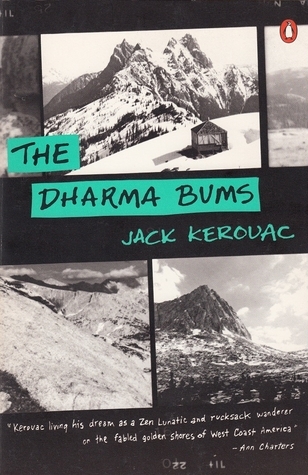
Two ebullient young men search for Truth the Zen way: from marathon wine-drinking bouts, poetry jam sessions, and “yabyum” in San Francisco’s Bohemia, to solitude in the high Sierras and a vigil atop Desolation Peak in Washington State. Published just a year after On the Road put the Beat Generation on the map, The Dharma Bums is sparked by Kerouac’s expansiveness, humor, and a contagious zest for life.
A quintessential novel of America & the Beat Generation On the Road chronicles Jack Kerouac's years traveling the N. American continent with his friend Neal Cassady, "a sideburned hero of the snowy West." As "Sal Paradise" & "Dean Moriarty," the two roam the country in a quest for self-knowledge & experience. Kerouac's love of America, compassion for humanity & sense of language as jazz combine to make On the Road an inspirational work of lasting importance. This classic novel of freedom & longing defined what it meant to be "Beat" & has inspired every generation since its initial publication.
Cannery Row is a book without much of a plot. Rather, it is an attempt to capture the feeling and people of a place, the cannery district of Monterey, California, which is populated by a mix of those down on their luck and those who choose for other reasons not to live "up the hill" in the more respectable area of town. The flow of the main plot is frequently interrupted by short vignettes that introduce us to various denizens of the Row, most of whom are not directly connected with the central story. These vignettes are often characterized by direct or indirect reference to extreme violence: suicides, corpses, and the cruelty of the natural world.
The "story" of Cannery Row follows the adventures of Mack and the boys, a group of unemployed yet resourceful men who inhabit a converted fish-meal shack on the edge of a vacant lot down on the Row.
The magnificent second novel from the legendary author of One Flew Over the Cuckoo's Nest...
Following the astonishing success of his first novel, One Flew Over the Cuckoo's Nest, Ken Kesey wrote what Charles Bowden calls "one of the few essential books written by an American in the last half century." This wild-spirited tale tells of a bitter strike that rages through a small lumber town along the Oregon coast. Bucking that strike out of sheer cussedness are the Stampers. Out of the Stamper family's rivalries and betrayals Ken Kesey has crafted a novel with the mythic impact of Greek tragedy.
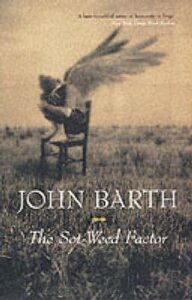
Considered by critics to be Barth's most distinguished masterpiece, The Sot-Weed Factor has acquired the status of a modern classic. Set in the late 1600s, it recounts the wildly chaotic odyssey of hapless, ungainly Ebenezer Cooke, sent to the New World to look after his father's tobacco business and to record the struggles of the Maryland colony in an epic poem.
On his mission, Cooke experiences capture by pirates and Indians; the loss of his father's estate to roguish impostors; love for a farmer prostitute; stealthy efforts to rob him of his virginity, which he is (almost) determined to protect; and an extraordinary gallery of treacherous characters who continually switch identities. A hilarious, bawdy tribute to all the most insidious human vices, The Sot-Weed Factor has a lasting relevance for readers of all times.
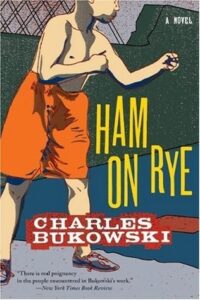
In what is widely hailed as the best of his many novels, Charles Bukowski details the long, lonely years of his own hardscrabble youth in the raw voice of alter ego Henry Chinaski. From a harrowingly cheerless childhood in Germany through acne-riddled high school years and his adolescent discoveries of alcohol, women, and the Los Angeles Public Library's collection of D. H. Lawrence, "Ham on Rye" offers a crude, brutal, and savagely funny portrait of an outcast's coming-of-age during the desperate days of the Great Depression.
The semiautobiographical Martin Eden is the most vital and original character Jack London ever created. Set in San Francisco, this is the story of Martin Eden, an impoverished seaman who pursues, obsessively and aggressively, dreams of education and literary fame. London, dissatisfied with the rewards of his own success, intended Martin Eden as an attack on individualism and a criticism of ambition; however, much of its status as a classic has been conferred by admirers of its ambitious protagonist.
Andrew Sinclair's wide-ranging introduction discusses the conflict between London's support of socialism and his powerful self-will. Sinclair also explores the parallels and divergences between the life of Martin Eden and that of his creator, focusing on London's mental depressions and how they affected his depiction of Eden.
Ethan Allen Hawley, the protagonist of Steinbeck’s last novel, works as a clerk in a grocery store that his family once owned. With Ethan no longer a member of Long Island’s aristocratic class, his wife is restless, and his teenage children are hungry for the tantalizing material comforts he cannot provide. Then one day, in a moment of moral crisis, Ethan decides to take a holiday from his own scrupulous standards.
Set in Steinbeck’s contemporary 1960 America, the novel explores the tenuous line between private and public honesty that today ranks it alongside his most acclaimed works of penetrating insight into the American condition. This edition features an introduction and notes by Steinbeck scholar Susan Shillinglaw.
In this classic work of psychological terror, Paul Bowles examines the ways in which Americans apprehend an alien culture—and the ways in which their incomprehension destroys them. The story of three American travelers adrift in the cities and deserts of North Africa, The Sheltering Sky is at once merciless and heartbreaking in its compassion. It etches the limits of human reason and intelligence—perhaps even the limits of human life—when they touch the unfathomable emptiness and impassive cruelty of the desert.
Welcome Back!
Track your reading progress and sync your library.