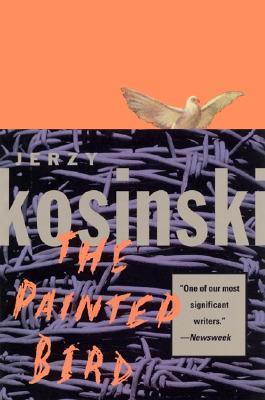
The Painted Bird
A harrowing story that follows the wanderings of a boy abandoned by his parents during World War II, The Painted Bird is a dark novel that examines the proximity of terror and savagery to innocence and love.
If you start to read this book, you will go on a journey with a nine-year-old boy named Bruno. (Though this isn't a book for nine-year-olds.) And sooner or later you will arrive with Bruno at a fence.
Fences like this exist all over the world. We hope you never have to encounter one.
Primo Levi was among the greatest witnesses to twentieth-century atrocity. In this gripping novel, based on a true story, he reveals the extraordinary lives of the Russian, Polish and Jewish partisans trapped behind enemy lines during the Second World War. Wracked by fear, hunger and fierce rivalries, they link up, fall apart, struggle to stay alive, and to sabotage the efforts of the all-powerful German army. A compelling tale of action, resistance and epic adventure, it also reveals Levi's characteristic compassion and deep insight into the moral dilemmas of total war. It ranks alongside THE PERIOD TABLE and IF THIS IS A MAN as one of the rare authentic masterpieces of the 20th century.
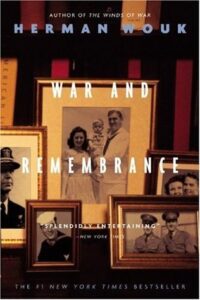
War and Remembrance is a historical romance. The subject is World War II, the viewpoint American. A prologue, The Winds of War, published in 1971, set the historical frame for this work by picturing the events leading up to Pearl Harbor. This is a novel of America at war, from Pearl Harbor to Hiroshima.
Three stories are told: a young Southerner wants to become a writer; a turbulent love-hate affair between a brilliant Jew and a beautiful Polish woman; and of an awful wound in that woman's past--one that impels both Sophie and Nathan toward destruction.
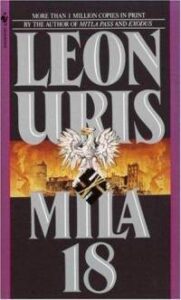
It was a time of crisis, a time of tragedy and a time of transcendent courage and determination. Leon Uris's novel is set in the midst of the ghetto uprising that defied Nazi tyranny, as the Jews of Warsaw boldly met Wehrmacht tanks with homemade weapons and bare fists. Here, painted on a canvas as broad as its subject matter, is the compelling story of one of the most heroic struggles of modern times.
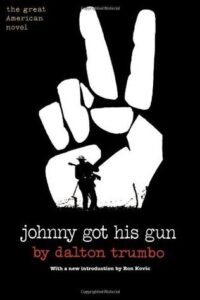
This was no ordinary war. This was a war to make the world safe for democracy. And if democracy was made safe, then nothing else mattered - not the millions of dead bodies, nor the thousands of ruined lives...
This is no ordinary novel. This is a novel that never takes the easy way out: it is shocking, violent, terrifying, horrible, uncompromising, brutal, remorseless and gruesome... but so is war.
Winner of the National Book Award.
Scarlett O'Hara, the beautiful, spoiled daughter of a well-to-do Georgia plantation owner, must use every means at her disposal to claw her way out of the poverty she finds herself in after Sherman's March to the Sea.
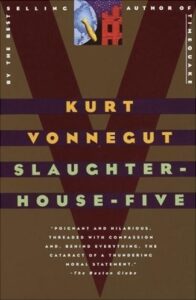
Slaughterhouse-Five, an American classic, is one of the world’s great antiwar books. Centering on the infamous World War II firebombing of Dresden, the novel is the result of what Kurt Vonnegut described as a twenty-three-year struggle to write a book about what he had witnessed as an American prisoner of war. It combines historical fiction, science fiction, autobiography, and satire in an account of the life of Billy Pilgrim, a barber’s son turned draftee turned optometrist turned alien abductee. As Vonnegut had, Billy experiences the destruction of Dresden as a POW. Unlike Vonnegut, he experiences time travel, or coming “unstuck in time.”
An instant bestseller, Slaughterhouse-Five made Kurt Vonnegut a cult hero in American literature, a reputation that only strengthened over time, despite his being banned and censored by some libraries and schools for content and language. But it was precisely those elements of Vonnegut’s writing—the political edginess, the genre-bending inventiveness, the frank violence, the transgressive wit—that have inspired generations of readers not just to look differently at the world around them but to find the confidence to say something about it.
Fifty years after its initial publication at the height of the Vietnam War, Vonnegut's portrayal of political disillusionment, PTSD, and postwar anxiety feels as relevant, darkly humorous, and profoundly affecting as ever, an enduring beacon through our own era’s uncertainties.