The planet Quinta is pocked by ugly mounds and covered by a spiderweb-like network. It is a kingdom of phantoms and of a beauty afflicted by madness. In stark contrast, the crew of the spaceship Hermes represents a knowledge-seeking Earth. As they approach Quinta, a dark poetry takes over and leads them into a nightmare of misunderstanding. Translated by Michael Kandel.
The novel was published in German translation (translated by H. Schumann) in 1986. The Polish text published in 1987, the English translation (by M. Kandel) the same year.
SETI - Search for Extraterrestrial Intelligence, diese Fahndung nach der Nadel im Heuhaufen, hat diesmal Erfolg: ein Planet im Sternbild Harpyie, die Quinta im dortigen Zetasystem, sendet Signale, und nach jahrhundertelanger Vorbereitung startet die irdische "Hermes" mit einer auserwählten Crew von Spezialisten, unter ihnen der zweite Pilot Marek Tempe, der später die Landung und den ersten Erkundungsgang vornehmen wird. Die Verwirklichung des Projekts bildet den Inhalt dieses Romans.
Als ein Gegenstück zu seinem Jugendroman "Gast im Weltraum", den er in den Jahren 1954/1955 schrieb und der erstmals 1956 bei Volk und Welt in Deutsch erschien (https://www.goodreads.com/book/show/5...), möchte Stanisław Lem seinen neuesten Roman betrachtet wissen, den er im Februar 1985 abschloss.
Keine Negierung von "Gast im Weltraum" soll "Das Fiasko" sein, sondern eher eine Revision eigener, allzu naiver fortschrittsfreudiger Illusionen, die den jungen Lem einst beflügelten und denen er nun den komplizierten, naturwissenschaftlichen, technischen und moralischen Zwängen unterliegenden Prozeß gegenüberstellt, den die Menschen bei ihrem Drang auf der Suche nach außerirdischen Zivilisationen durchlaufen.
Pierwszy tom trylogii Jacka Dukaja. To książka, którą po odwróceniu ostatniej kartki ma się ochotę natychmiast przeczytać jeszcze raz. A potem jeszcze raz. Jest XXIX wiek. Adam Zamoyski, tajemniczy zmartwychwstaniec, tkwi w środku rozgrywki między cywilizacjami, ludźmi, nieludźmi i istotami postludzkimi. Konkurencja stanowi motor ewolucji – konkurują ze sobą rośliny, zwierzęta, ludzie, kultury, gospodarki. Zwycięża, kto lepiej wykorzystuje naturalne środowisko, zasoby planety, ostatecznie – prawa fizyki. Zamoyski nie wie, jakim cudem znalazł się w świecie późniejszym od jego czasów o kilkaset lat, ma problemy z pamięcią i tożsamością – lecz najwyraźniej stanowi klucz do zwycięstwa w owej ewolucji. Kim tak naprawdę jest? Kim są ci, którzy go otaczają? Jaką tajemnicę kryje Narwa, gdzie rozbił się statek Adama? Dukaj jak demiurg powołuje światy do istnienia, nadając im przy tym cywilizacyjną pełnię. Wymyśla edukację, stosunki rodzinne, modę, a nawet język. Przede wszystkim jednak pokazuje skutki genetycznego udoskonalania człowieka – nową hierarchię społeczną i nowe kłopoty z płcią. Z tych względów książkę czyta się świetnie – im dalej, tym lepiej. Kto wie, może będzie to powieść kultowa?
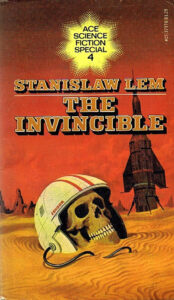
La trama inicia con el arribo de una poderosa nave de guerra, El Invencible, al planeta recientemente descubierto Regis III. La tripulación del Invencible tiene como misión investigar la desaparición de la nave, Cóndor, gemela del Invencible.
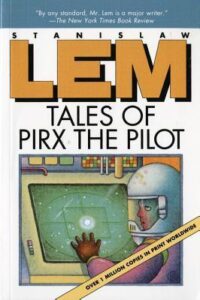
In Pilot Pirx, Lem has created an irresistibly likable character: an astronaut who gives the impression of still navigating by the seat of his pants-a bumbler but an inspired one. By investing Pirx with a range of human foibles, Lem offers a wonderful vision of the audacity, childlike curiosity, and intuition that can give humans the courage to confront outer space. Translated by Louis Iribarne.
„Extensa” opowiada o świecie istniejącym na krawędzi codzienności i magii, w którym spokój miesza sie z lękiem przed nieznaną siłą. Tylko nieliczni decydują się wykonać pierwszy krok w stronę nieznanego. Powieść łączy w sobie zalety nowoczesnej, wyzwolonej ze stereotypów fantastyki oraz pięknej, pełnej tajemnic i ukrytych znaczeń sagi rodzinnej.
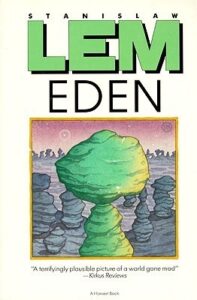
A six-man crew crash-lands on Eden, fourth planet from another sun. The men find a strange world that grows ever stranger, and everywhere there are images of death. The crew's attempt to communicate with this civilization leads to violence and to a cruel truth—cruel precisely because it is so human. Translated by Marc E. Heine. A Helen and Kurt Wolff Book.
Siamo nel lembo più estremo dell’universo esplorato dal genere umano. Un astronauta, dalla Terra, approda nella stazione spaziale che gira intorno al pianeta Solaris. Qui trova un’atmosfera di mistero e sospetto: nessuno lo accoglie, i pochi ospiti della astronave sembrano angosciati e sopraffatti, c’è un morto recente a cui si allude con circospezione ma senza sorpresa, gli oggetti subiscono strane deformazioni, si avvertono presenze. Solaris è noto agli umani come il grande pianeta «vivente». Appare in forma di vasto oceano e avrebbe dovuto conflagrare se la sua orbita avesse seguito le leggi della fisica. Ma è come dotato di capacità cosciente di reazione e questa capacità sembra legata alle apparizioni di fantasmi, proiezioni viventi di incubi, sogni e fantasie. L’astronauta è costretto a interrogarsi, mentre lo contagia la stessa angoscia che domina in tutto l’ambiente. Sul mistero della morte del compagno, innanzitutto. Ma questo lo spinge verso maggiori enigmi da svelare: se Solaris ha una propria vita, e che tipo alternativo di forma di vita; se le «apparizioni» hanno una qualche spiegazione accessibile; se tutta questa attività ha un fine, in qualche modo legato ai destini esistenziali degli umani. Se non è tutto addirittura un immane messaggio. Un’avventura avvincente e carica di attesa e mistero. Ma si potrebbe dire anche un’avventura epistemologica, nel senso che presenta alla lente della riflessione un numero enorme di quesiti che abitano i rami della filosofia. Fra essi, il più suggestivo sembra essere il tema dell’Identità, del Soggetto, dell’Io. Non esiste l’Io unico e identico a se stesso. Ognuno è un arcipelago di Io, e ciascuna delle isole di questo arcipelago si muove nei confronti dell’Io che le contiene, come un universo parallelo. Del resto, la mente, i suoi confini, le sue possibilità, i suoi legami con la potente macchina che la sorregge, il cervello, sono i temi attorno ai quali hanno sempre ruotato le storie di fantascienza di questo scrittore di Leopoli, cresciuto a Cracovia, esperto cibernetico, che è annoverato tra gli influenti capostipiti della moderna fiction di realtà virtuali.
Perfect for longtime fans and new readers alike—this eBook collection includes all six original novels in the Dune Saga written by Frank Herbert.
In the far future, on a remote planet, an epic adventure awaits. Here are the first six novels of Frank Herbert’s magnificent Dune saga—a triumph of the imagination and one of the bestselling science fiction series of all time.
The Dune Saga begins on the desert planet Arrakis with the story of the boy Paul Atreides—who would become known as Muad’Dib—and of a great family’s ambition to bring to fruition humankind’s most ancient and unattainable dream....
Includes Books 1 - 6: DUNE • DUNE MESSIAH • CHILDREN OF DUNE • GOD EMPEROR OF DUNE • HERETICS OF DUNE • CHAPTERHOUSE: DUNE
Welcome Back!
Track your reading progress and sync your library.