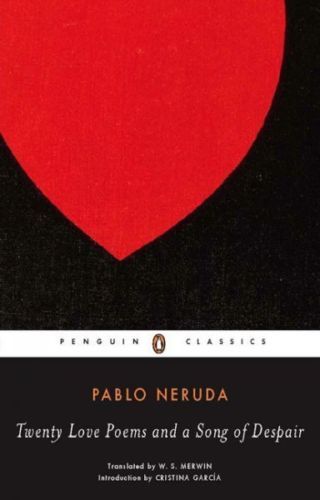
When it appeared in 1924, this work launched into the international spotlight a young and unknown poet whose writings would ignite a generation. W. S. Merwin’s incomparable translation faces the original Spanish text. Now in a black-spine Classics edition with an introduction by Cristina Garcia, this book stands as an essential collection that continues to inspire lovers and poets around the world. The most popular work by Chile’s Nobel Prize-winning poet, and the subject of Pablo Larraín’s acclaimed feature film Neruda starring Gael García Bernal.
One of the most important and controversial writers of the 20th century, Knut Hamsun made literary history with the publication in 1890 of this powerful, autobiographical novel recounting the abject poverty, hunger and despair of a young writer struggling to achieve self-discovery and its ultimate artistic expression. The book brilliantly probes the psychodynamics of alienation, obsession, and self-destruction, painting an unforgettable portrait of a man driven by forces beyond his control to the edge of the abyss. Hamsun influenced many of the major 20th-century writers who followed him, including Kafka, Joyce and Henry Miller. Required reading in world literature courses, the highly influential, landmark novel will also find a wide audience among lovers of books that probe the "unexplored crannies in the human soul" (George Egerton).
Full of philosophical puzzles and supernatural surprises, these stories contain some of Borges's most fully realized human characters. With uncanny insight, he takes us inside the minds of an unrepentant Nazi, an imprisoned Mayan priest, fanatical Christian theologians, a woman plotting vengeance on her father’s “killer,” and a man awaiting his assassin in a Buenos Aires guest house. This volume also contains the hauntingly brief vignettes about literary imagination and personal identity collected in The Maker, which Borges wrote as failing eyesight and public fame began to undermine his sense of self.
For more than seventy years, Penguin has been the leading publisher of classic literature in the English-speaking world. With more than 1,700 titles, Penguin Classics represents a global bookshelf of the best works throughout history and across genres and disciplines. Readers trust the series to provide authoritative texts enhanced by introductions and notes by distinguished scholars and contemporary authors, as well as up-to-date translations by award-winning translators.
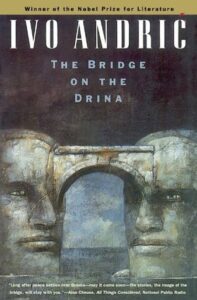
A vivid depiction of the suffering history has imposed upon the people of Bosnia from the late sixteenth century to the beginning of World War I, The Bridge on the Drina earned Ivo Andric the Nobel Prize for Literature in 1961.
A great stone bridge built three centuries ago in the heart of the Balkans by a Grand Vezir of the Ottoman Empire dominates the setting of Andric's stunning novel. Spanning generations, nationalities, and creeds, the bridge stands witness to the countless lives played out upon it: Radisav, the workman, who tries to hinder its construction and is impaled on its highest point; to the lovely Fata, who throws herself from its parapet to escape a loveless marriage; to Milan, the gambler, who risks everything in one last game on the bridge with the devil his opponent; to Fedun, the young soldier, who pays for a moment of spring forgetfulness with his life. War finally destroys the span, and with it the last descendant of that family to which the Grand Vezir confided the care of his pious bequest - the bridge.
Breve e intensa novela publicada en 1948, este logrado fruto de la denominada "literatura existencial" le dio a su autor un reconocimiento que traspasó las fronteras nacionales. Para quien todavía no la leyó, El túnel es la mejor introducción al universo prodigioso de Ernesto Sábato; para quien la conoce, un clásico de las letras del continente, una historia sobre el drama del hombre arrojado en el sinsentido más doloroso: la conciencia de la nada. El narrador describe una historia de amor y muerte en la que muestra la soledad del individuo contemporáneo. No están ausentes de esta trama policial y de suspenso, la locura y la increíble reflexión del protagonista, el pintor Juan Pablo Castel, debatiéndose por comprender las causas que lo arrastraron a matar a la mujer que amaba, María Iribarne, y que era su única vía de salvación. En este alucinante drama de la vida interior, seres intrincados en la bestial búsqueda de comprensión ceden a la mentira, la hipocresía y los celos desmedidos hasta el crimen más inexplicable. Aventura amorosa, aventura onírica, aventura del ser que dan testimonio de un asesinato, de cierta memoria culpable y de una valiente introspección. Técnicamente perfecta y de lectura apasionante, El túnel excede el negativismo ácido de Sartre y la frenética huida hacia el vacío que plantea El extranjero de Camus, pero tiene de esos dos maestros literarios la impronta genial que hace de la escritura una radiografía del alma atormentada.
The epic novel of man and nature that won its author the Nobel Prize in Literature, in the first new English translation in more than ninety years
When it was first published in 1917, Growth of the Soil was immediately recognized as a masterpiece. More than one-hundred years later it still remains a transporting literary experience. In the story of Isak, who leaves his village to clear a homestead and raise a family amid the untilled tracts of the Norwegian back country, Knut Hamsun evokes the elemental bond between humans and the land. Newly translated by the acclaimed Hamsun scholar Sverre Lyngstad, Hamsun's novel is a work of preternatural calm, stern beauty, and biblical power--and the crowning achievement of one of the greatest writers of the twentieth century.
For more than seventy years, Penguin has been the leading publisher of classic literature in the English-speaking world. With more than 1,800 titles, Penguin Classics represents a global bookshelf of the best works throughout history and across genres and disciplines. Readers trust the series to provide authoritative texts enhanced by introductions and notes by distinguished scholars and contemporary authors, as well as up-to-date translations by award-winning translators.
A cuatro profesores de literatura, Pelletier, Morini, Espinoza y Norton, los une su fascinación por la obra de Beno von Archimboldi, un enigmático escritor alemán cuyo prestigio crece en todo el mundo. La complicidad se vuelve vodevil intelectual y desemboca en un peregrinaje a Santa Teresa (trasunto de Ciudad Juárez), donde hay quien dice que Archimboldi ha sido visto. Ya allí, Pelletier y Espinoza se enteran de que la ciudad es desde años atrás escenario de una larga cadena de crímenes: en los vertederos aparecen cadáveres de mujeres con señales de haber sido violadas y torturadas. Es el primer asomo de la novela a sus procelosos caudales, repletos de personajes memorables cuyas historias, a caballo entre la risa y el horror, abarcan dos continentes e incluyen un vertiginoso travelling por la historia europea del siglo XX. 2666 confirma el veredicto de Susan Sontag: "el más influyente y admirado novelista en lengua española de su generación. Su muerte, a los cincuenta años, es una gran pérdida para la literatura".
A man returns to the town where a baffling murder took place twenty-seven years earlier, determined to get to the bottom of the story. Just hours after marrying the beautiful Angela Vicario, everyone agrees, Bayardo San Roman returned his bride in disgrace to her parents. Her distraught family forced her to name her first lover; and her twin brothers announced their intention to murder Santiago Nasar for dishonoring their sister.
Yet if everyone knew the murder was going to happen, why did no one intervene to try and stop it? The more that is learned, the less is understood, and as the story races to its inexplicable conclusion, an entire society--not just a pair of murderers—is put on trial.
Welcome Back!
Track your reading progress and sync your library.