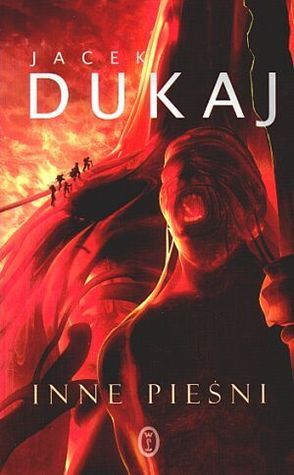
Inne Pieśni
Starogrecki świat pięciu żywiołów pod władzą formy w opowieści o sile ludzkiego ducha i o tym, co nieopisywalne.
A trans-siberian odyssey through political, criminal, scientific, philosophical and amorous intrigues, and into an endless winter to confront something utterly alien.
14th July 1924: In a Warsaw buried under feet of snow and Russian rule, Benedykt Gieroslawski, a dissolute young Polish mathematician, is roused from his bed by two officials from the Ministry of Winter and dispatched to Siberia, on the Trans-Siberian Express, to track down his long-exiled father.
The catalyst for this frosty metamorphosis of 20th century history is the impact of the Tunguska asteroid, deep in Siberia, in 1908. From this Ground Zero, emerge the Gleissen, silent harbingers of an eternal winter that follows in their ponderous wake. As they spread across the continent, agriculture collapses and people flock to cities as they seek protection from the deadly cold. As the land freezes, so does history: the Tsar still rules Russia; the Belle Époque endures; and the First World War never happened.
But out there, on the ice, a new world is being forged. The extreme, alien cold has transmuted elements into strange new forms, a 'black physics' that is the catalyst for a new industrial and scientific revolution. At the heart of it all lies Siberia – a 'Wild East', a magnet for all the political, religious and scientific fevers shaking the world at the dawn of 20th century, the crucible where black physics, shamanic lore and the cold logic of winter combine.
And Benedykt's final destination. Will he embrace the ice, or destroy it?
Twenty-five hundred scientists have been herded into an isolated site in the Nevada desert. A neutrino message of extraterrestrial origin has been received and the scientists, under the surveillance of the Pentagon, labor on His Master's Voice, the secret program set up to decipher the transmission. Among them is Peter Hogarth, an eminent mathematician. When the project reaches a stalemate, Hogarth pursues clandestine research into the classified TX Effect--another secret breakthrough. But when he discovers, to his horror, that the TX Effect could lead to the construction of a fission bomb, Hogarth decides such knowledge must not be allowed to fall into the hands of the military.
Durata: 8h 20min.
Siamo nel lembo più estremo dell’universo esplorato dal genere umano. Un astronauta, dalla Terra, approda nella stazione spaziale che gira intorno al pianeta Solaris. Qui trova un’atmosfera di mistero e sospetto: nessuno lo accoglie, i pochi ospiti della astronave sembrano angosciati e sopraffatti, c’è un morto recente a cui si allude con circospezione ma senza sorpresa, gli oggetti subiscono strane deformazioni, si avvertono presenze. Solaris è noto agli umani come il grande pianeta «vivente». Appare in forma di vasto oceano e avrebbe dovuto conflagrare se la sua orbita avesse seguito le leggi della fisica. Ma è come dotato di capacità cosciente di reazione e questa capacità sembra legata alle apparizioni di fantasmi, proiezioni viventi di incubi, sogni e fantasie.
L’astronauta è costretto a interrogarsi, mentre lo contagia la stessa angoscia che domina in tutto l’ambiente. Sul mistero della morte del compagno, innanzitutto. Ma questo lo spinge verso maggiori enigmi da svelare: se Solaris ha una propria vita, e che tipo alternativo di forma di vita; se le «apparizioni» hanno una qualche spiegazione accessibile; se tutta questa attività ha un fine, in qualche modo legato ai destini esistenziali degli umani. Se non è tutto addirittura un immane messaggio. Un’avventura avvincente e carica di attesa e mistero. Ma si potrebbe dire anche un’avventura epistemologica, nel senso che presenta alla lente della riflessione un numero enorme di quesiti che abitano i rami della filosofia. Fra essi, il più suggestivo sembra essere il tema dell’Identità, del Soggetto, dell’Io. Non esiste l’Io unico e identico a se stesso. Ognuno è un arcipelago di Io, e ciascuna delle isole di questo arcipelago si muove nei confronti dell’Io che le contiene, come un universo parallelo.
Del resto, la mente, i suoi confini, le sue possibilità, i suoi legami con la potente macchina che la sorregge, il cervello, sono i temi attorno ai quali hanno sempre ruotato le storie di fantascienza di questo scrittore di Leopoli, cresciuto a Cracovia, esperto cibernetico, che è annoverato tra gli influenti capostipiti della moderna fiction di realtà virtuali.
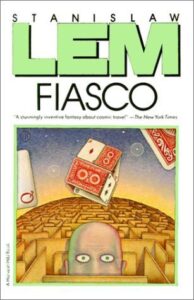
SETI - Search for Extraterrestrial Intelligence, diese Fahndung nach der Nadel im Heuhaufen, hat diesmal Erfolg: ein Planet im Sternbild Harpyie, die Quinta im dortigen Zetasystem, sendet Signale, und nach jahrhundertelanger Vorbereitung startet die irdische "Hermes" mit einer auserwählten Crew von Spezialisten, unter ihnen der zweite Pilot Marek Tempe, der später die Landung und den ersten Erkundungsgang vornehmen wird. Die Verwirklichung des Projekts bildet den Inhalt dieses Romans.
Als ein Gegenstück zu seinem Jugendroman "Gast im Weltraum", den er in den Jahren 1954/1955 schrieb und der erstmals 1956 bei Volk und Welt in Deutsch erschien (https://www.goodreads.com/book/show/5...), möchte Stanisław Lem seinen neuesten Roman betrachtet wissen, den er im Februar 1985 abschloss.
Keine Negierung von "Gast im Weltraum" soll "Das Fiasko" sein, sondern eher eine Revision eigener, allzu naiver fortschrittsfreudiger Illusionen, die den jungen Lem einst beflügelten und denen er nun den komplizierten, naturwissenschaftlichen, technischen und moralischen Zwängen unterliegenden Prozeß gegenüberstellt, den die Menschen bei ihrem Drang auf der Suche nach außerirdischen Zivilisationen durchlaufen.
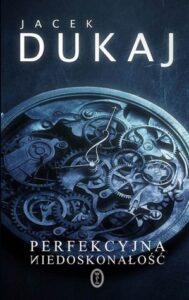
Pierwszy tom trylogii Jacka Dukaja.
To książka, którą po odwróceniu ostatniej kartki ma się ochotę natychmiast przeczytać jeszcze raz. A potem jeszcze raz.
Jest XXIX wiek. Adam Zamoyski, tajemniczy zmartwychwstaniec, tkwi w środku rozgrywki między cywilizacjami, ludźmi, nieludźmi i istotami postludzkimi. Konkurencja stanowi motor ewolucji – konkurują ze sobą rośliny, zwierzęta, ludzie, kultury, gospodarki. Zwycięża, kto lepiej wykorzystuje naturalne środowisko, zasoby planety, ostatecznie – prawa fizyki.
Zamoyski nie wie, jakim cudem znalazł się w świecie późniejszym od jego czasów o kilkaset lat, ma problemy z pamięcią i tożsamością – lecz najwyraźniej stanowi klucz do zwycięstwa w owej ewolucji. Kim tak naprawdę jest? Kim są ci, którzy go otaczają? Jaką tajemnicę kryje Narwa, gdzie rozbił się statek Adama?
Dukaj jak demiurg powołuje światy do istnienia, nadając im przy tym cywilizacyjną pełnię. Wymyśla edukację, stosunki rodzinne, modę, a nawet język. Przede wszystkim jednak pokazuje skutki genetycznego udoskonalania człowieka – nową hierarchię społeczną i nowe kłopoty z płcią. Z tych względów książkę czyta się świetnie – im dalej, tym lepiej. Kto wie, może będzie to powieść kultowa?
The planet Quinta is pocked by ugly mounds and covered by a spiderweb-like network. It is a kingdom of phantoms and of a beauty afflicted by madness. In stark contrast, the crew of the spaceship Hermes represents a knowledge-seeking Earth. As they approach Quinta, a dark poetry takes over and leads them into a nightmare of misunderstanding. Translated by Michael Kandel.
The novel was published in German translation (translated by H. Schumann) in 1986. The Polish text published in 1987, the English translation (by M. Kandel) the same year.
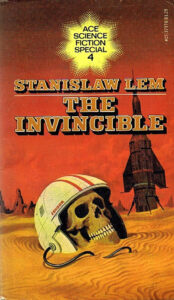
La trama inicia con el arribo de una poderosa nave de guerra, El Invencible, al planeta recientemente descubierto Regis III. La tripulación del Invencible tiene como misión investigar la desaparición de la nave, Cóndor, gemela del Invencible.
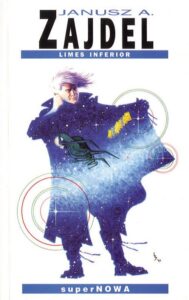
W absurdalnym, sztucznie wykreowanym świecie Argolandu, nic nie jest tym, czym się na pierwszy rzut oka wydaje. Drobny kombinator dzięki sprytowi i inteligencji odkrywa prawdę o pozornie idealnym porządku społeczno-ekonomicznym.
Sztandarowa powieść Janusza A. Zajdla, twórcy nurtu fantastyki socjologicznej w Polsce. Główny bohater, Adi Cherryson, alias Sneer, wzorowany jest na postaci kolegi po piórze, Adamie Wiśniewskim-Snergu. Stanisław Lem uznał Limes inferior za najoryginalniejszą polską powieść SF, jaką czytał.